


Avoid hidden fees in Bayswater rubbish removal jobs
Posted on 10/08/2026
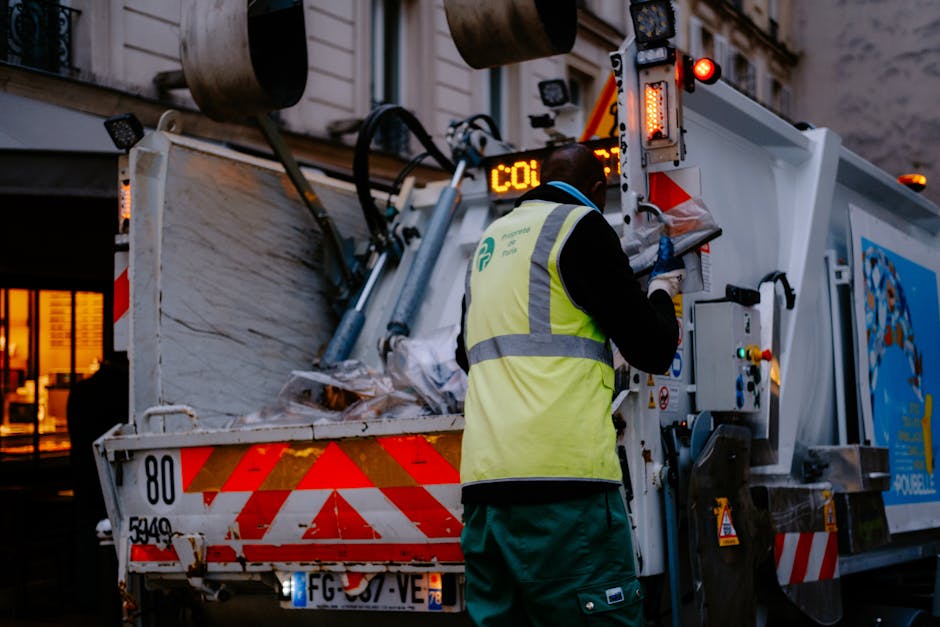
Hidden charges are the part of rubbish removal nobody enjoys. The quote sounds fair, the team arrives, the pile goes, and then the bill quietly grows arms and legs. If you are trying to avoid hidden fees in Bayswater rubbish removal jobs, the good news is that most nasty surprises are preventable once you know what to ask, what to confirm, and what to put in writing.
In Bayswater, where jobs can range from a single sofa pickup to a full flat clearance, pricing should be straightforward. But "straightforward" only works when the provider explains access, labour, weight, waste type, parking, and extras before the van turns up. This article breaks down how hidden fees happen, how to spot them early, and how to keep your rubbish removal cost honest from the first quote to the final receipt.
It is practical, local, and a bit blunt in places. That is on purpose. A vague quote is nobody's friend.
- Why this matters
- How hidden fees show up in rubbish removal
- Benefits of clear pricing
- Who this guide is for
- Step-by-step guidance
- Expert tips
- Common mistakes to avoid
- Tools, resources and recommendations
- Law, compliance and best practice
- Options and comparison table
- Real-world example
- Practical checklist
- Conclusion
- Frequently asked questions
Why Avoid hidden fees in Bayswater rubbish removal jobs Matters
Waste clearance looks simple from the outside. You have items you no longer want, and you want them gone quickly without making a mess of your day or your budget. But rubbish removal pricing can be more complicated than many people expect, especially in a busy London area like Bayswater where access, parking, and building layouts can all affect the work.
The problem is not only extra money. Hidden fees also create stress and mistrust. You may feel cornered into accepting a price because the rubbish is already outside, the movers are there, and moving everything again would be a hassle. That is exactly when poor pricing practices become expensive.
Let's face it: most people do not compare every line of a rubbish removal quote like they are auditing a spreadsheet. They just want a fair deal. So the burden is on the customer to ask the right questions early, and on the provider to answer clearly.
Clear pricing matters even more when you are booking jobs such as house clearance in Bayswater, office clearance, or bulky item collection, because those jobs often involve access issues, mixed waste, and time pressure. If any of that is unclear at the quote stage, the final invoice can drift upward very quickly.
Expert summary: The easiest way to avoid hidden fees is to treat the quote as a checklist, not a vague promise. Confirm what is included, what changes the price, and how any extras will be approved before collection starts.
How Avoid hidden fees in Bayswater rubbish removal jobs Works
Hidden fees usually appear when the quote is based on assumptions rather than a proper assessment. The customer describes the job, the provider estimates it, and then the real-world details turn out to be slightly different. Sometimes "slightly" is enough to alter the price.
Common examples include more waste than expected, heavier items, awkward stair access, no parking nearby, restricted lift access, or items that need specialist handling. Even an honest company may need to adjust the quote if the original information was incomplete. The issue is not always the change itself. It is the lack of clarity around the change.
A good rubbish removal process should work like this:
- You describe the items, location, access, and timing.
- The company explains what the base price includes.
- Any likely extra charges are named in advance.
- If the team finds something unexpected, they pause and confirm before proceeding.
- You receive a final price that matches the agreed scope.
If that does not happen, be cautious. A service that refuses to explain the pricing structure is not being "efficient"; it is leaving room for surprise fees.
For certain jobs, such as builders waste disposal in Bayswater or garden clearance, the waste type itself can affect cost because soil, rubble, branches, and mixed debris are handled differently. That does not mean the price is unfair. It means the job needs to be described properly.
Key Benefits and Practical Advantages
When you avoid hidden charges, the benefit is not just saving a bit of money. You also get a smoother job from start to finish. In practice, that tends to mean fewer delays, less back-and-forth, and less frustration when the van arrives on a wet Tuesday morning and everybody just wants the driveway clear.
1. Better budget control
You can plan properly when the price is based on known details. That is especially useful for landlords, property managers, tradespeople, and anyone clearing a home before moving house. If the numbers are stable, decision-making becomes much easier.
2. Less awkwardness on site
No one likes haggling on the pavement while the team is waiting beside a pile of rubbish. A clear quote prevents those awkward "actually, it's more than that" conversations.
3. Faster bookings
Providers can only give a reliable slot if they understand the work. That is true for W2 rubbish collection, furniture disposal, loft clearance, and mixed clearances alike.
4. Better comparison between providers
When quotes are itemised in a similar way, you can compare like for like. One quote might look cheaper until you notice it excludes labour, parking, or disposal. That is the trap.
5. More trust
Clear pricing is often a sign of a well-run operation. It usually goes hand in hand with proper paperwork, insured work, and sensible communication. Not always, but often enough to matter.
| What you get with clear pricing | What you risk with hidden fees |
|---|---|
| Predictable cost from the start | Price increases after arrival |
| Fewer disputes | Pressure to approve extras on the spot |
| Better job planning | Delays while details are rechecked |
| More confidence in the provider | Second-guessing the whole service |
Who This Is For and When It Makes Sense
This guide is for anyone booking rubbish removal in Bayswater and wanting to keep the bill honest. That includes homeowners, tenants, landlords, office managers, builders, letting agents, and people dealing with a one-off life admin headache. You know the kind: a spare room full of boxes, a sofa that will not fit through the door, or a garden that has quietly become a jungle.
It is especially useful if you are:
- comparing multiple clearance quotes
- booking a same-day or next-day collection
- dealing with bulky, mixed, or heavy items
- working with limited parking or tight access
- clearing a property after a move, renovation, or tenancy change
- unsure whether you need a full clearance or just a targeted collection
If you are not sure what service fits your job, it can help to review the provider's services overview before you request a quote. That usually makes the conversation sharper. Less guessing, fewer surprises.
Sometimes people assume hidden fees only happen with "cheap" operators. Not really. They can creep into any job if the scope is not defined well enough. The price may be perfectly reasonable and still not match what you expected. The difference is clarity.
Step-by-Step Guidance
If you want to avoid unpleasant add-ons, follow a simple quote process. It does not need to be complicated, and it definitely does not need to take all afternoon.
Step 1: List everything that needs removing
Do a quick walk-through and write down the items. Be specific. "A few bits" is not enough. "Two wardrobes, one mattress, three bags of mixed waste, and a broken microwave" is much better.
Step 2: Separate the waste types
Mixed rubbish, furniture, garden waste, white goods, and builders waste may all need different handling. If the load contains items like fridges, washing machines, or ovens, mention that early and consider the right disposal page, such as white goods and appliance disposal.
Step 3: Check access honestly
Stairs, lift access, narrow hallways, basement steps, courtyard entrances, and limited loading space all matter. If the team has to walk further or carry items upstairs, it changes the labour involved. Better to say so upfront than to explain it on arrival.
Step 4: Ask what the quote includes
Find out whether the quote covers labour, loading, disposal, travel, VAT if applicable, congestion or parking-related costs where relevant, and any minimum charge. If the provider cannot explain this clearly, pause.
Step 5: Ask what might trigger an extra charge
Good questions include: What if there is more waste than I thought? What if items are heavier than expected? What if access turns out to be difficult? When will you tell me before the price changes?
Step 6: Get the agreement in writing
Even a short written confirmation is better than nothing. Email, text, or an itemised quote can all help reduce arguments later. A polite paper trail is a beautiful thing.
Step 7: Check the final invoice before paying
The final amount should match the agreed scope. If the crew found something additional, there should be a clear reason. If not, ask for the breakdown before you hand over payment.
For more clarity on how a proper quote should be structured, you can also review the provider's pricing and quotes guidance. That is where you should expect straight answers, not smoke and mirrors.
Expert Tips for Better Results
After seeing plenty of clearance jobs go smoothly and a few go sideways, a pattern emerges. The customers who avoid hidden fees are usually not lucky. They are simply more specific.
Be precise about volume
Try to estimate volume in practical terms: number of bin bags, number of wardrobes, size of sofa, number of mattresses, or how much of a garage is full. A photo is even better. If the company offers photo-based quoting, use it. A good picture can answer more questions than a paragraph of guesses.
Ask about minimum charges
Some jobs have a minimum fee even if the load is small. That is not inherently a hidden fee, but it needs to be disclosed. If you are only removing one item, ask whether the minimum charge makes sense or whether a different option would be better.
Watch for "starting from" language
"Starting from" is not a bad phrase by itself. But if the company leans on it without explaining what changes the price, you are basically walking into a pricing fog. Not ideal.
Check whether the company is licensed and compliant
Waste should be handled by a legitimate carrier. It is sensible to look at a provider's waste carrier licence and compliance information before booking. This is not just a box-ticking exercise; it gives you confidence that your waste is being managed properly.
Use the right service for the job
A generic "rubbish removal" job is fine for some cases, but others are better handled as a specific clearance. For example, a loft full of old furniture may be more accurately handled through loft clearance, while a home full of mixed contents may fit Bayswater house clearance better. Matching the service to the job reduces scope creep.

Keep an eye on access on the day
If the parking situation changes, the lift is out of service, or the collection point is different from what you described, mention it immediately. A quick update can prevent a larger dispute later. Small thing, big difference.

Common Mistakes to Avoid
Most hidden fees are predictable once you know the usual traps. Here are the ones that catch people out most often.
- Giving a vague description. "A bit of junk" is hard to price fairly.
- Forgetting access details. Long carries, stairs, and parking matter.
- Not asking what is included. Labour, disposal, and travel should be clear.
- Assuming everything is standard waste. Appliances, builders waste, and heavy rubble may be treated differently.
- Ignoring minimum charges. Small jobs can still have a base cost.
- Accepting changes without a price check. If the job grows, the quote should be revisited.
- Not reading terms and conditions. The details are often there, just a bit buried.
That last one is tedious, yes. But tedious beats expensive.
It also helps to understand the provider's general policies on terms and conditions before you commit. If the wording is clear, you usually know where you stand. If it is all vague promises, be careful.
Tools, Resources and Recommendations
You do not need special software to keep rubbish removal prices honest. A few simple tools are enough.
- Phone camera: Take clear photos of the items, access route, and any awkward obstacles.
- Basic checklist: Note item count, waste type, and any fragile or heavy pieces.
- Measurements: If a sofa, wardrobe, or appliance looks tight, note approximate dimensions.
- Written quote or message: Keep a record of the agreed scope and any conditions.
- Contact name: Know who confirmed the price so you can refer back if needed.
For practical browsing, the provider's main waste clearance page and furniture removal page can help you match the job to the right service. If you are dealing with an end-of-tenancy clear-out, a shop refit, or a post-renovation mess, that kind of matching often saves time and money.
When in doubt, the most useful recommendation is simple: ask for a breakdown before agreeing. If the company is good, they will not mind. In fact, the better companies usually welcome the question.
Law, Compliance, Standards, or Best Practice
This kind of job sits inside a wider framework of good waste management practice. You do not need to become a legal expert to book a collection, but you should expect the provider to handle waste responsibly and lawfully.
At a practical level, that means using a proper waste carrier, separating items where needed, avoiding fly-tipping, and disposing of waste through lawful channels. If a provider cannot explain how they handle waste or avoids discussing compliance, that is not a great sign.
For customers, the key best practices are straightforward:
- make sure the waste is described accurately
- keep the quote and any changes in writing
- ask how the provider handles recycling and disposal
- check that they are insured and operate safely
If you want another trust signal, look at the company's insurance and safety information and its approach to recycling and sustainability. A clear, responsible service usually explains both. That does not guarantee perfection, obviously, but it is a sensible standard to expect.
You may also want to review how the business handles payment and security. Transparent payment methods and sensible security practices matter just as much as the collection itself, especially if you are booking quickly.
Options, Methods, or Comparison Table
Not every rubbish job needs the same approach. Some are best handled as a one-off collection, while others need a broader clearance plan. Choosing the right option can reduce hidden costs because you are less likely to pay for the wrong type of service.
| Option | Best for | Hidden-fee risk level | Notes |
|---|---|---|---|
| Single-item collection | One sofa, appliance, or bed frame | Low to medium | Ask about minimum charges and access. |
| Mixed rubbish removal | Bags, odds and ends, light household waste | Medium | Volume estimates matter a lot. |
| Furniture disposal | Bulky household items | Medium | Stairs and tight turns can affect labour. |
| House clearance | Whole rooms, flats, or properties | Medium to high | Scope needs to be very clear. |
| Builders waste disposal | Rubble, plasterboard, timber, renovation debris | Medium to high | Heavy loads and segregation can change pricing. |
For example, a small pile of mixed rubbish in a ground-floor flat is a very different job from a loft clearance with no lift and a narrow staircase. Same postcode, very different labour. If the quote does not reflect that, question it.
Case Study or Real-World Example
A Bayswater resident cleared a one-bedroom flat after moving out. The first quote looked fine, but it was only based on a brief phone description: "mostly bags and a few bits of furniture." On the day, the team found a dismantled wardrobe, two wardrobes worth of extra boxing, and awkward access through a shared hallway. The original estimate had not fully captured the work.
Nothing dramatic happened. The provider explained the difference before loading began, and the customer accepted the revised price. But the lesson was clear: the hidden fee would only have felt hidden if the extra scope had not been discussed first.
A second job from the same building went smoother. This time the customer sent photos, listed every item, mentioned the stairwell, and asked what would count as extra labour. The final price matched the quote exactly. Same building, same type of clearance, much calmer outcome. Funny how that works.
If you are arranging a business clearance, the same principle applies. An office job may look straightforward until you realise there are filing cabinets, IT equipment, and access restrictions. In that case, a specialist commercial waste removal service may be a better fit than a generic collection.
Practical Checklist
Use this checklist before you confirm any rubbish removal booking in Bayswater:
- Have I listed every item or waste type clearly?
- Have I mentioned stairs, lifts, parking, and access limits?
- Do I know whether the price includes labour and disposal?
- Have I asked what could cause the price to change?
- Have I checked whether there is a minimum charge?
- Do I have the quote in writing?
- Have I confirmed how bulky, heavy, or specialist items are handled?
- Do I know what payment methods are accepted?
- Have I looked at compliance, insurance, and safety information?
- Have I chosen the right service type for the job?
Tick those off and you are already ahead of most people. Honestly, by a fair margin.
Conclusion
To avoid hidden fees in Bayswater rubbish removal jobs, the answer is rarely complicated: describe the job properly, ask direct questions, get the quote in writing, and check for anything that could change the price before anyone lifts a bag. That simple discipline protects your budget and usually makes the whole collection smoother too.
Good rubbish removal should feel clear, practical, and steady. No drama, no late surprises, no awkward negotiation at the kerb. Just a fair price for a job well done. And if something is unclear, ask again. A good provider would rather explain than surprise you later.
Get a free quote today and see how much you can save.
When you take a few minutes to ask the right questions, you make the job easier for everyone involved. That is a small win, but it matters. Especially when the flat is half-packed, the kettle is still on, and the place already feels a bit upside down.


